
If you’re reading this, chances are you’re also dealing with hair fall – and trust me, I’ve been there. Not just a few strands on the pillow kind of problem, but serious hair fall. Every comb-through, every shower was a heartbreak. I’ve always loved my hair – it was thick, shiny, and my go-to confidence booster. But things took a turn after my pregnancy (yes, fellow moms, I feel you), and then came stress, lack of sleep, and unhealthy eating. It all added up.
But here’s the good news: I turned it around. Not with one magic product, but by making a few sustainable changes to my daily life. So, if you’re tired of trying everything under the sun, maybe my journey will help you too.
Step 1: Fixing My Diet – Hair Health Starts Within
One of the first things I realized was how poor my diet had become. Quick bites, leftover baby food, and loads of caffeine – I was literally feeding my hair nothing.
I started making small but solid changes:
-
Protein intake: Hair is made of keratin (a type of protein), so I added more eggs, paneer, dal, and nuts into my meals.
-
Iron & Biotin: I included spinach, beetroot juice, and soaked almonds in my diet. A friend suggested biotin supplements, and they really helped – but I checked with my doctor first.
-
Water: I began tracking my water intake. Drinking at least 2-2.5 litres daily made a big difference in my scalp hydration and overall health.
Step 2: A Realistic Hair Routine – Less is More
Before this, I used to try every “anti-hair fall” shampoo that popped up in ads – from onion-based to caffeine-infused. But here’s what actually worked for me:
-
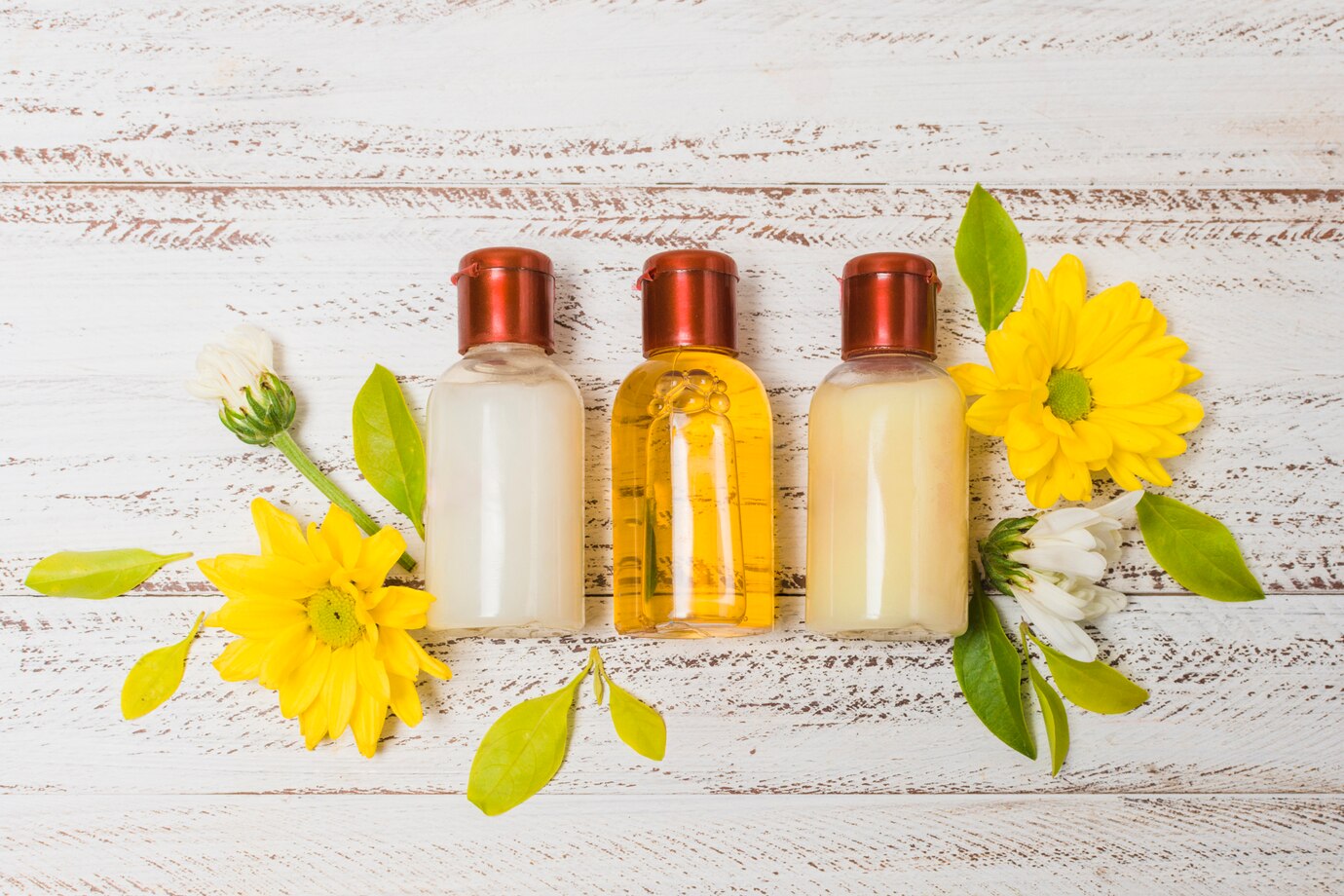
Gentle Shampooing: I now use a mild, sulfate-free shampoo twice a week. I stopped washing my hair every other day – it was drying my scalp out.
-
Oiling Twice a Week: I revived my mom’s old recipe – a mix of coconut oil, curry leaves, and a few drops of castor oil. Slightly warm it, massage into the scalp, and leave it overnight. This ritual turned into self-care time too.
-
Using Conditioner the Right Way: I used to skip conditioner or apply it from roots to ends (mistake!). Now I apply it only on the mid-lengths and ends, never the scalp. It makes detangling easier and reduces breakage.
Step 3: Hello, Hair Serum – My Anti-Frizz Lifesaver
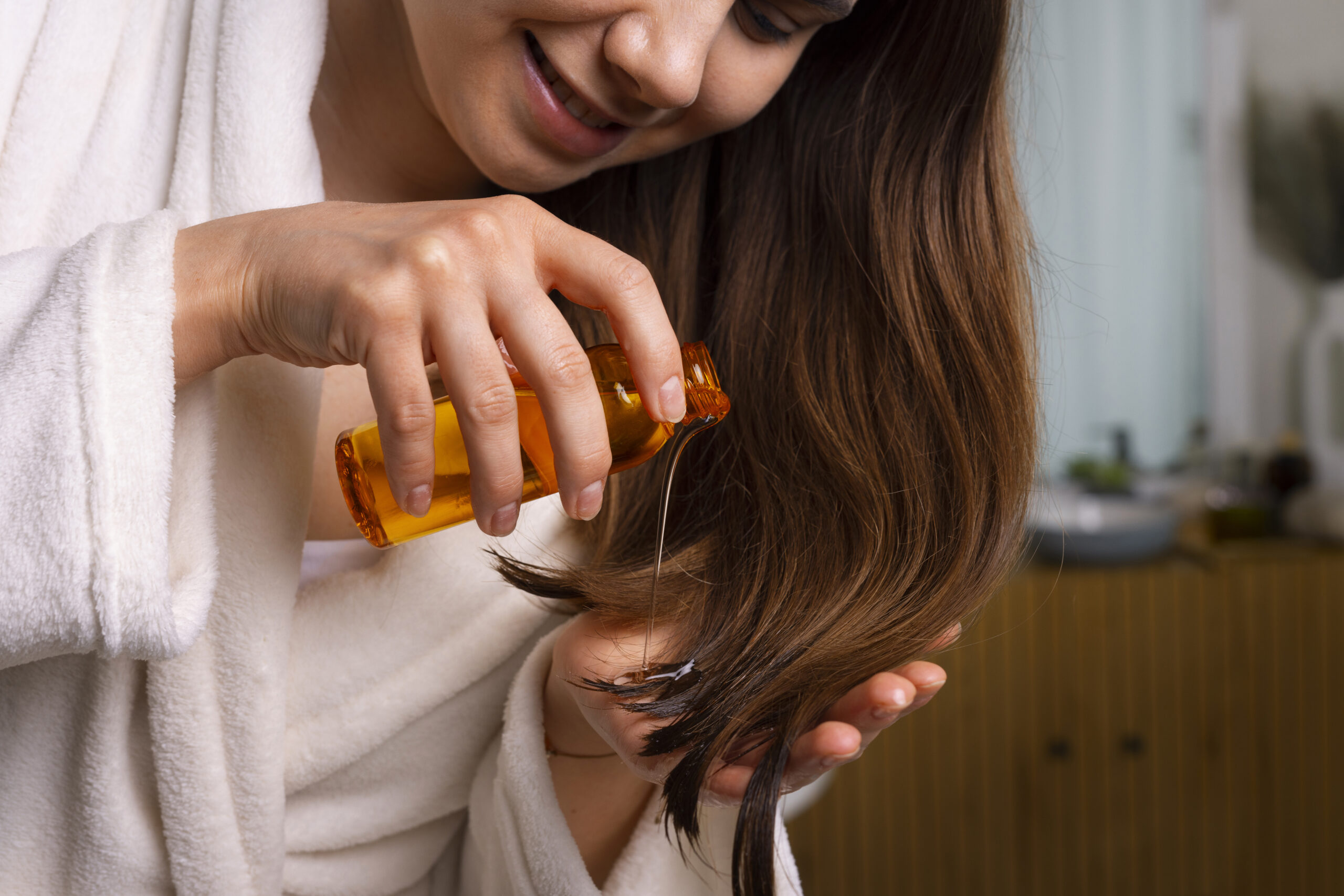
Adding a lightweight hair serum after wash days was a game-changer. I use one with argan oil – just 2-3 drops on damp hair. It helps in controlling frizz, adds shine, and protects from pollution and heat. I even use it before combing dry hair to avoid breakage.
Step 4: No More Heat Abuse
Earlier, I used to blow-dry and straighten my hair like it owed me something. Now I let it air dry most of the time. If I have to use heat, I apply a heat protectant spray first. Honestly, giving my hair a break from heat helped more than any expensive product.
Step 5: Managing Stress – Because It Shows in Your Hair
This was the toughest one. I started doing 15 minutes of yoga or meditation early in the morning (before my toddler wakes up). Even a simple walk in the park or listening to music helped bring down my stress levels. Hair fall reduced gradually after this.
A Few Bonus Tips That Worked Wonders:
-
Silk pillowcase: Reduced friction = less hair breakage.
-
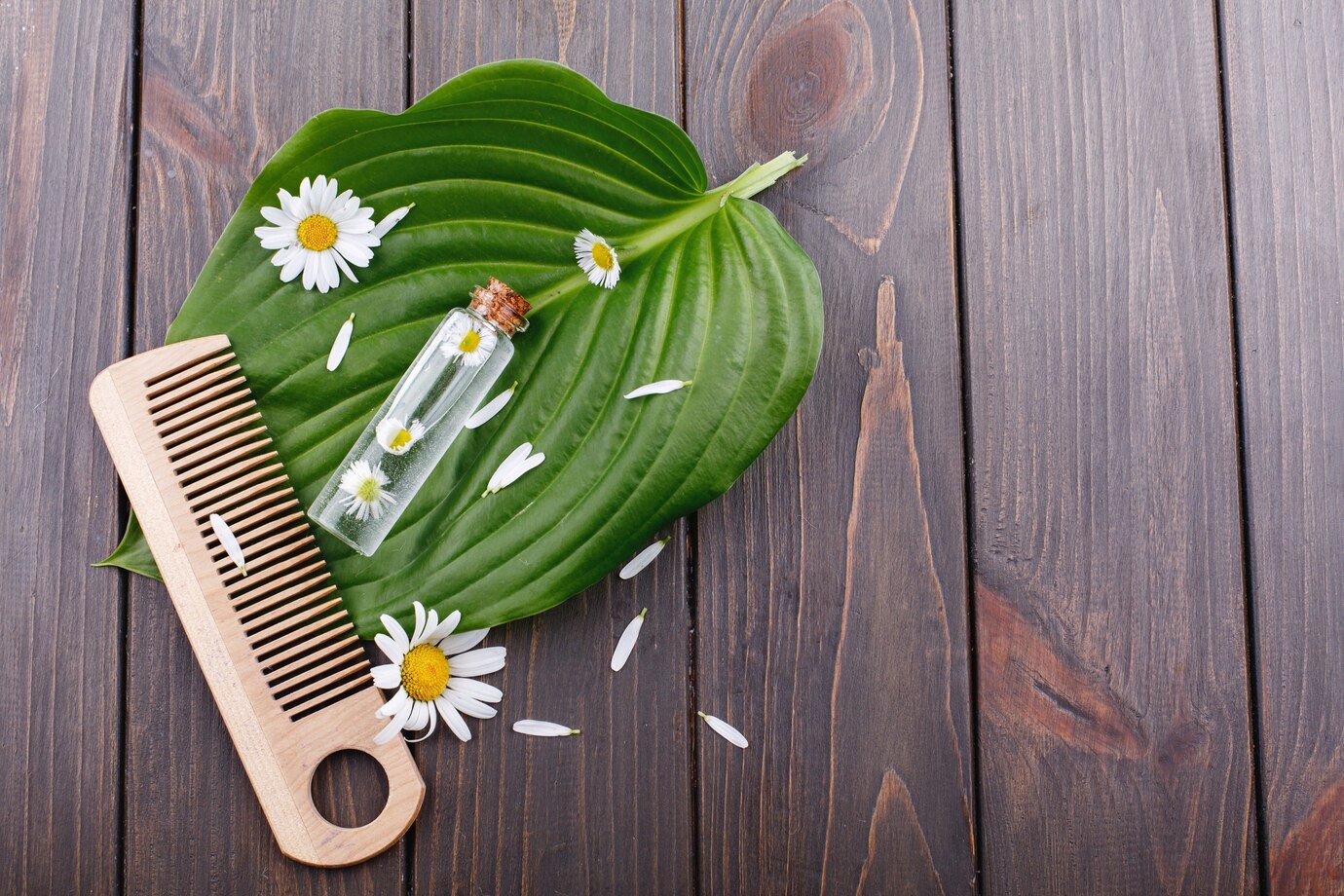
Wide-toothed comb: Always detangle when hair is slightly damp, not dripping wet.
-
Scalp exfoliation: Once in two weeks, I use a gentle scrub or DIY sugar scrub to remove product build-up.
Hair fall is not just a beauty issue – it hits emotionally too. But it’s also your body’s way of asking you to slow down, nourish yourself, and care a little more. I still have days when I find a few strands on the floor, but now I know my hair is getting stronger – and so am I.
If you’re facing the same, try giving your hair time and consistent care. No shortcuts, no overnight results – just a little love, from the inside out.
Have you tried something that worked for you? Let’s chat in the comments – I’d love to hear your story.